Every town has a story, but the story of Republic, Missouri, is deeply intertwined with the lives and legacies of its founding families. From humble beginnings as a small crossroads station in the 1870s, Republic grew into a thriving community—but it was the first settlers, with their traditions, values, and sheer determination, who laid the foundation for the town we know today.
The Early Settlers and Their Origins
The roots of Republic stretch across the nation, with settlers arriving from both the South and the North. Families from Kentucky, Tennessee, and Virginia brought with them the warm hospitality and customs of the South, while others from New York, Illinois, Ohio, and Michigan introduced the industrious spirit and traditions of the Eastern states. This melting pot of backgrounds gave Republic a unique character, blending diverse cultural influences into a shared way of life.
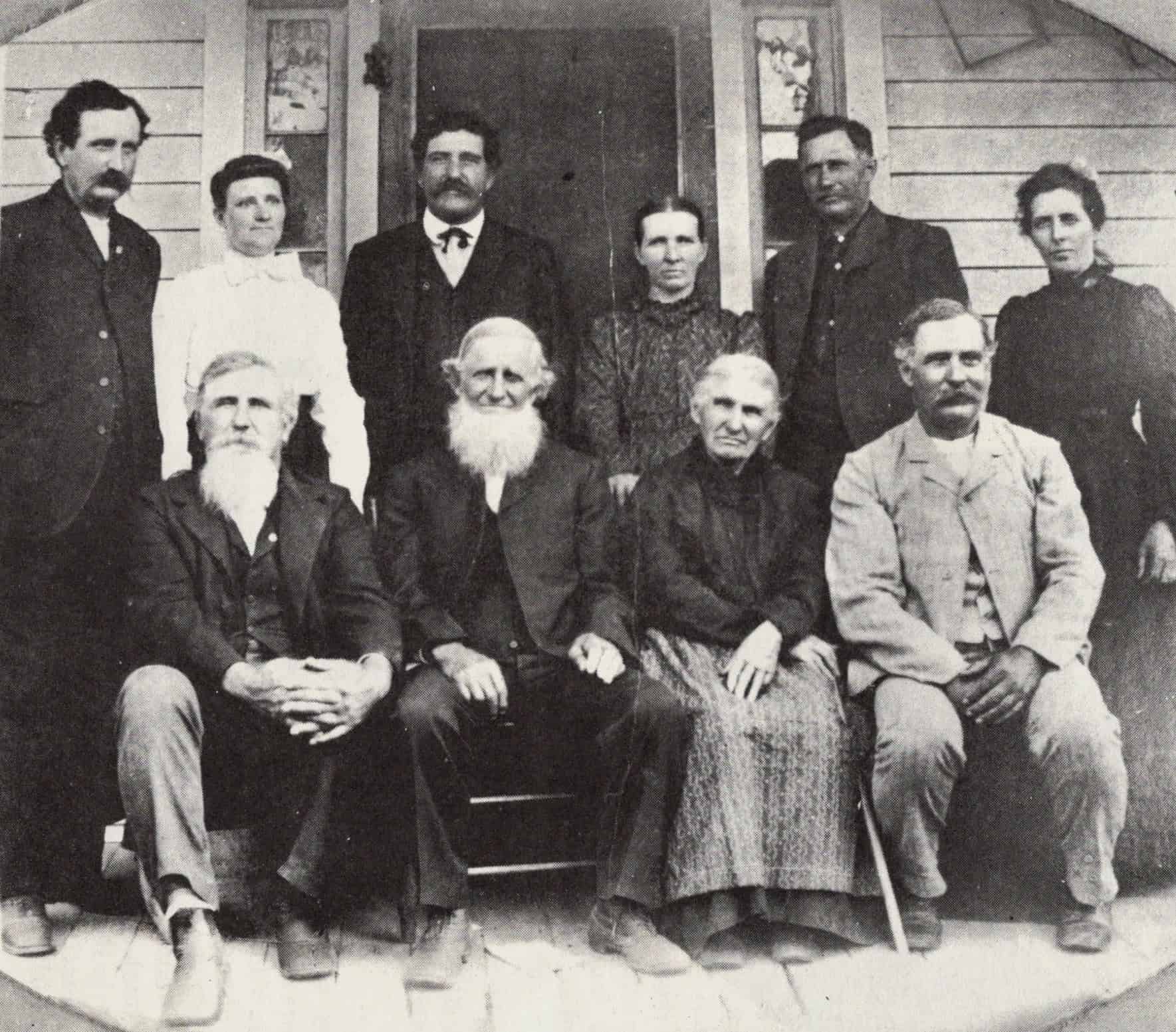
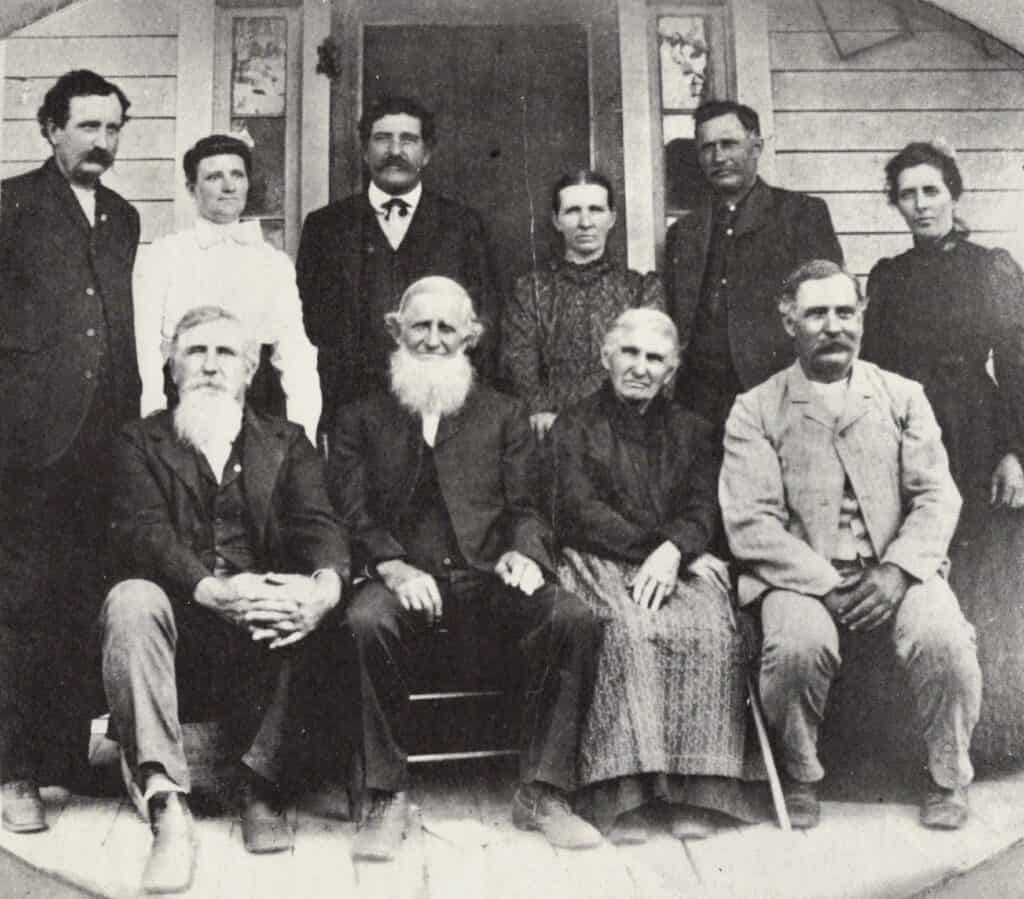
Among the pioneer families were names like Ritter, Noe, White, Cliborne, Hayes, Britain, Anderson, Johnson, Brooks, Blades, and many others. These families didn’t just come to Republic seeking a fresh start; they brought with them the skills, beliefs, and values needed to build a community from scratch. Many of their descendants still call Republic home, linking the modern town to its rich history.
Traditions that Shaped the Community
Life in early Republic revolved around family, hard work, and simple pleasures. Homes were modest but wealthy in their spirit of neighborly kindness. Communities celebrated milestones like “groundhog day,” corn planting seasons, and soap making, often with careful consideration of the phases of the moon. These traditions, passed down through generations, created a rhythm of life that connected everyone in the town.
Foodways were just as distinctive. Hickory-smoked meats, homemade molasses, and preserved vegetables were staples of the pioneer pantry, reflecting the resourcefulness of these early families. Hospitality thrived, with singing, spelling bees, and family gatherings serving as the main forms of entertainment. These simple but heartfelt customs laid the groundwork for a tight-knit, cooperative community.
Pioneers Who Inspired Growth
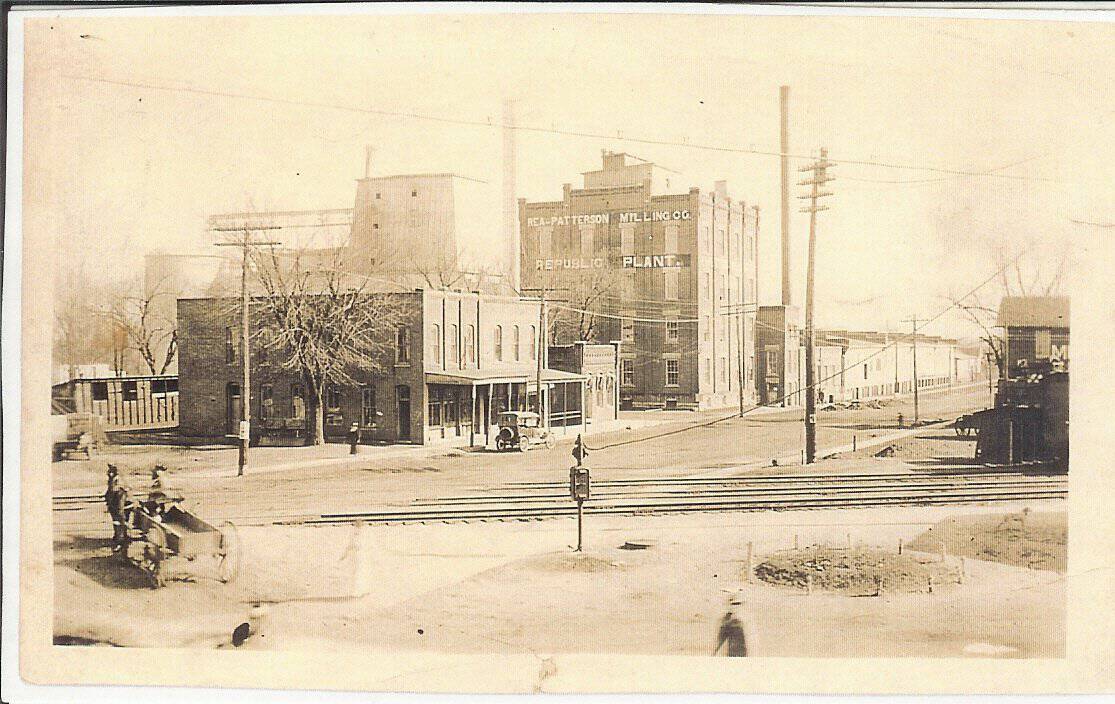
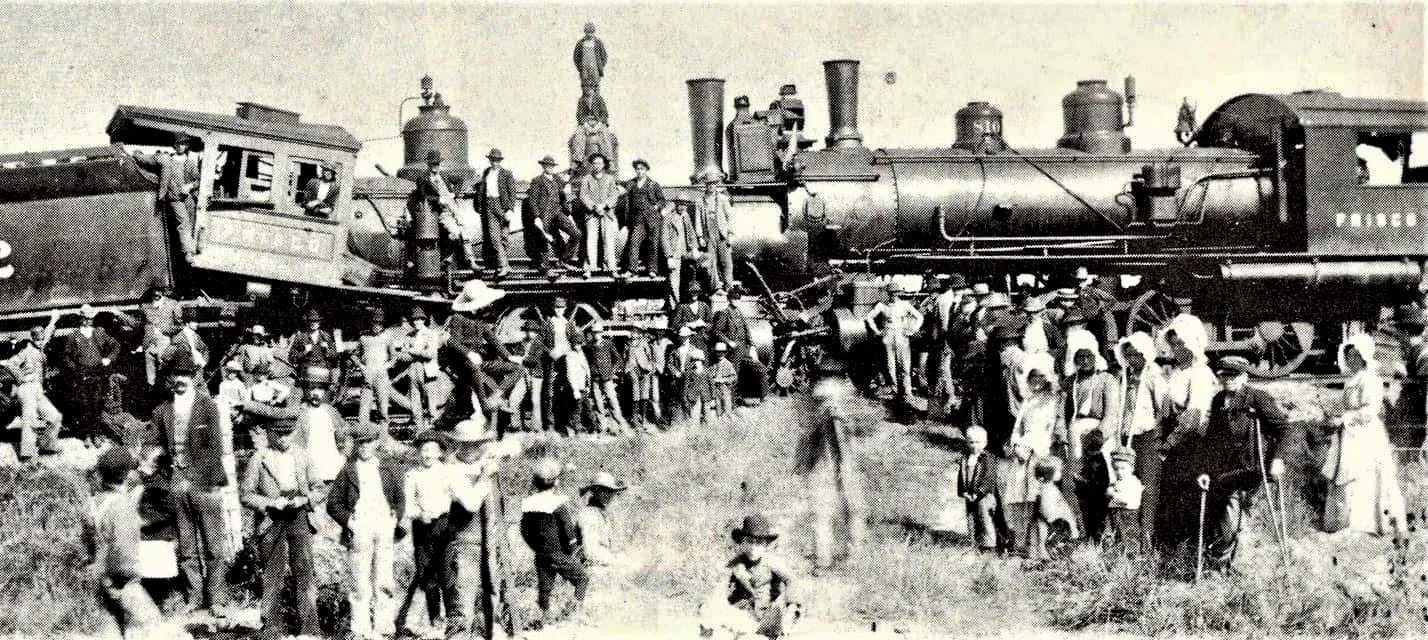
Republic’s founding families were not only dreamers but also doers. W.H. Noe, and many others for instance, were instrumental in the community’s development. When the railroad initially refused to build a switch station Mr. Noe, along with H.A. Noe, Josiah Brooks, H.A. White, E.T. Anderson, and others, raised $1000 to build and grade the ground donated by William Cliborne. The railroad then agreed to the switch. This single act of creating a train stop began turning Republic into a key shipping and travel hub—launching its transformation from a small settlement to a vibrant town.
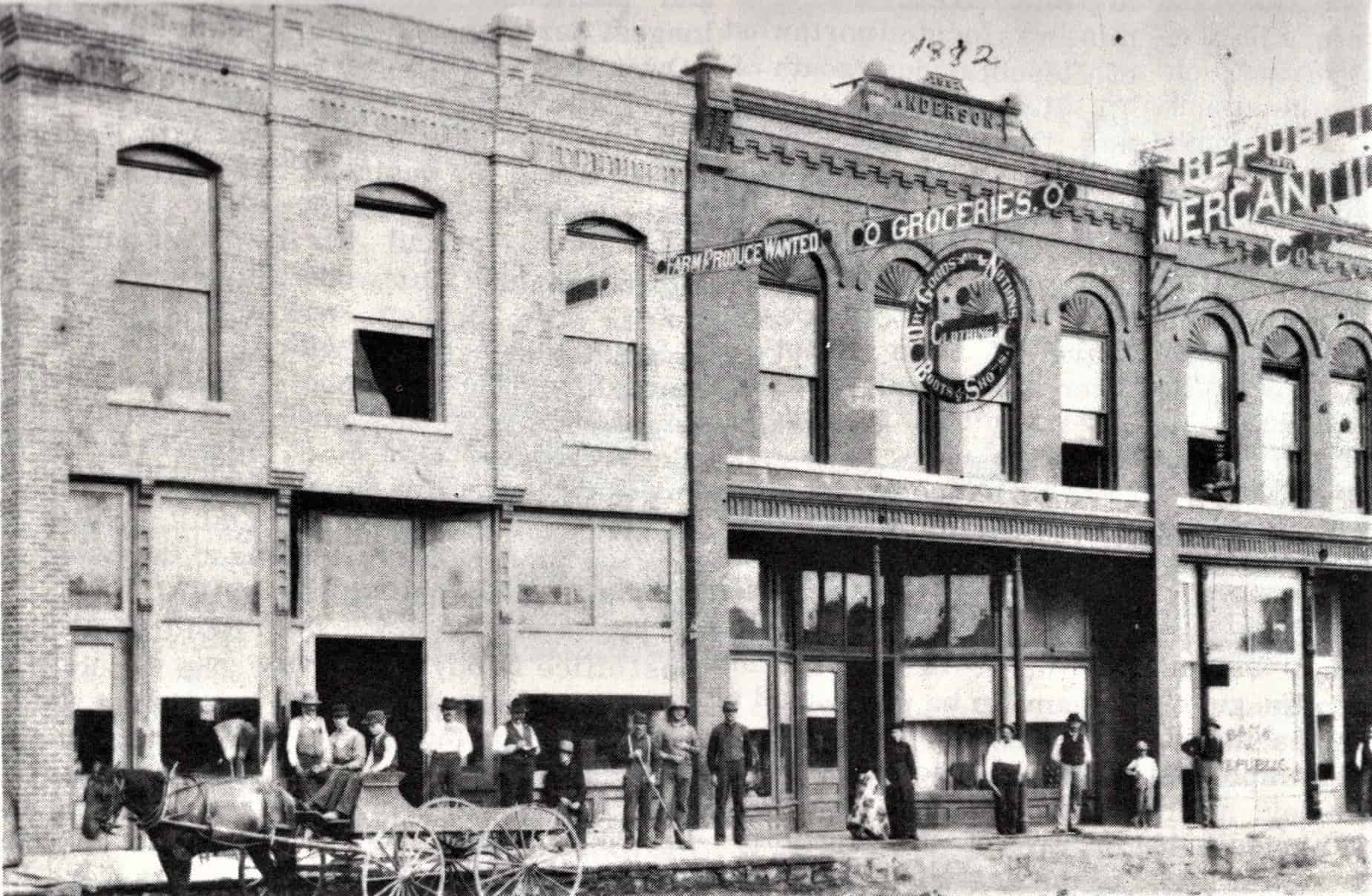
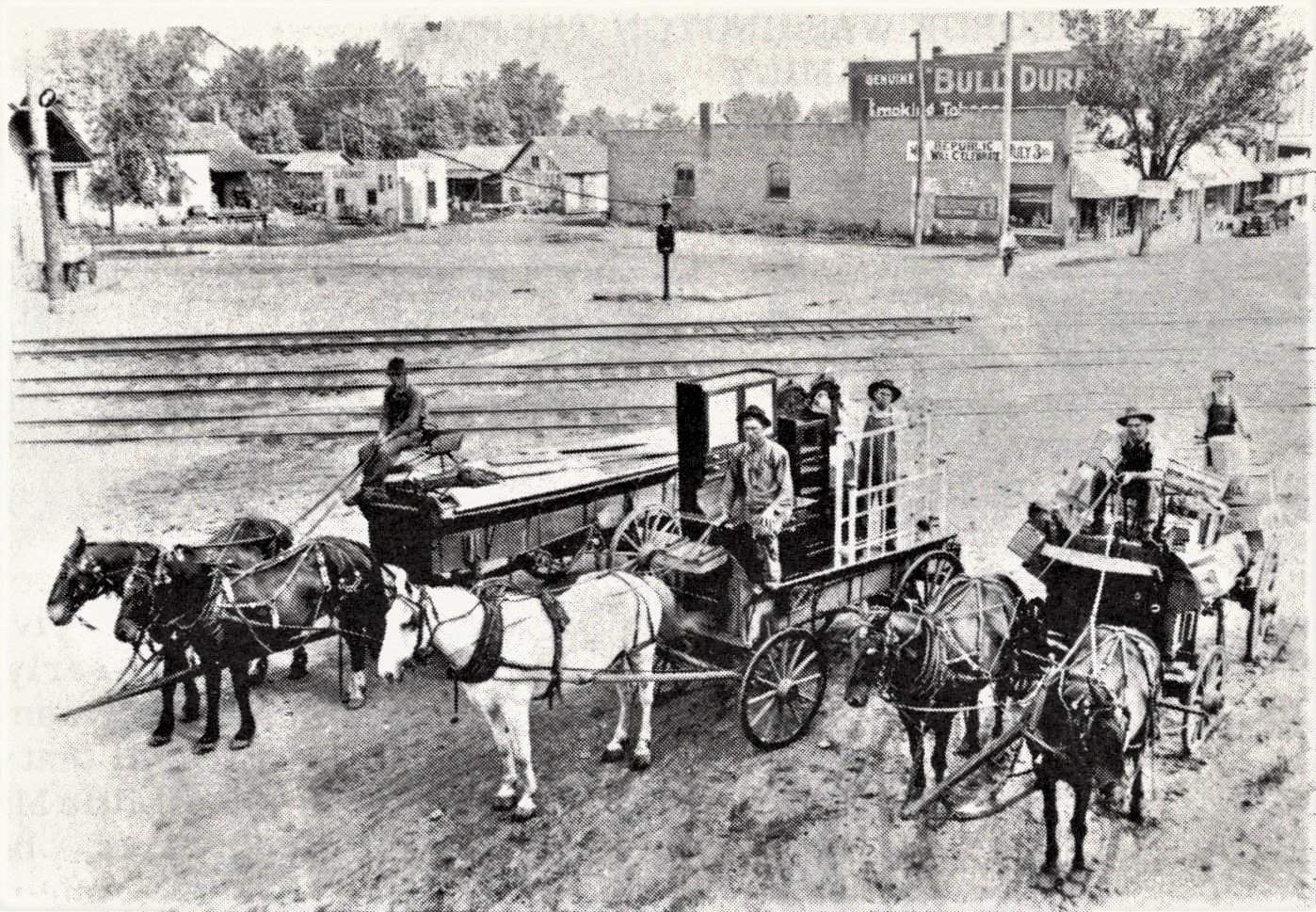
Other pioneers made their mark through businesses and industries. From brickyards and tomato factories to blacksmith shops and general stores, these early establishments provided essential services and laid the foundation for economic growth. A large, new brick school was built in 1892 further cementing Republic as a place where families could thrive and invest in the future.
A Legacy That Lives On
Today, the legacy of Republic’s founding families is more than just history. It’s in the streets we walk, the stories we tell, and the community spirit we cherish. The traditions they introduced, from working together in hard times to celebrating life’s simple joys, continue to influence the town’s character. You can still see their impact in Republic’s strong sense of community and the pride residents take in preserving their shared heritage.
Though Republic has evolved into a bustling modern town, its people remain connected to the values of hospitality, ingenuity, and perseverance that its founders instilled. From descendants of the original settlers to newcomers drawn by Republic’s welcoming charm, everyone plays a role in continuing this legacy of tradition and community.
The founding families of Republic remind us that history isn’t just something we remember; it’s something we live every day. Through their hard work and vision, they gave us a town we’re proud to call home—a place where the spirit of yesterday inspires the possibilities of tomorrow.