What if every corner of your town held a story? For Republic, Missouri, history echoes through its streets. From its early days as a modest crossroads station in the 1870s to the bustling community it is today, Republic has seen extraordinary changes. Its transformation is a testament to the resilience and vision of the people who built it, and their legacy continues to shape the town’s identity.
Humble Beginnings
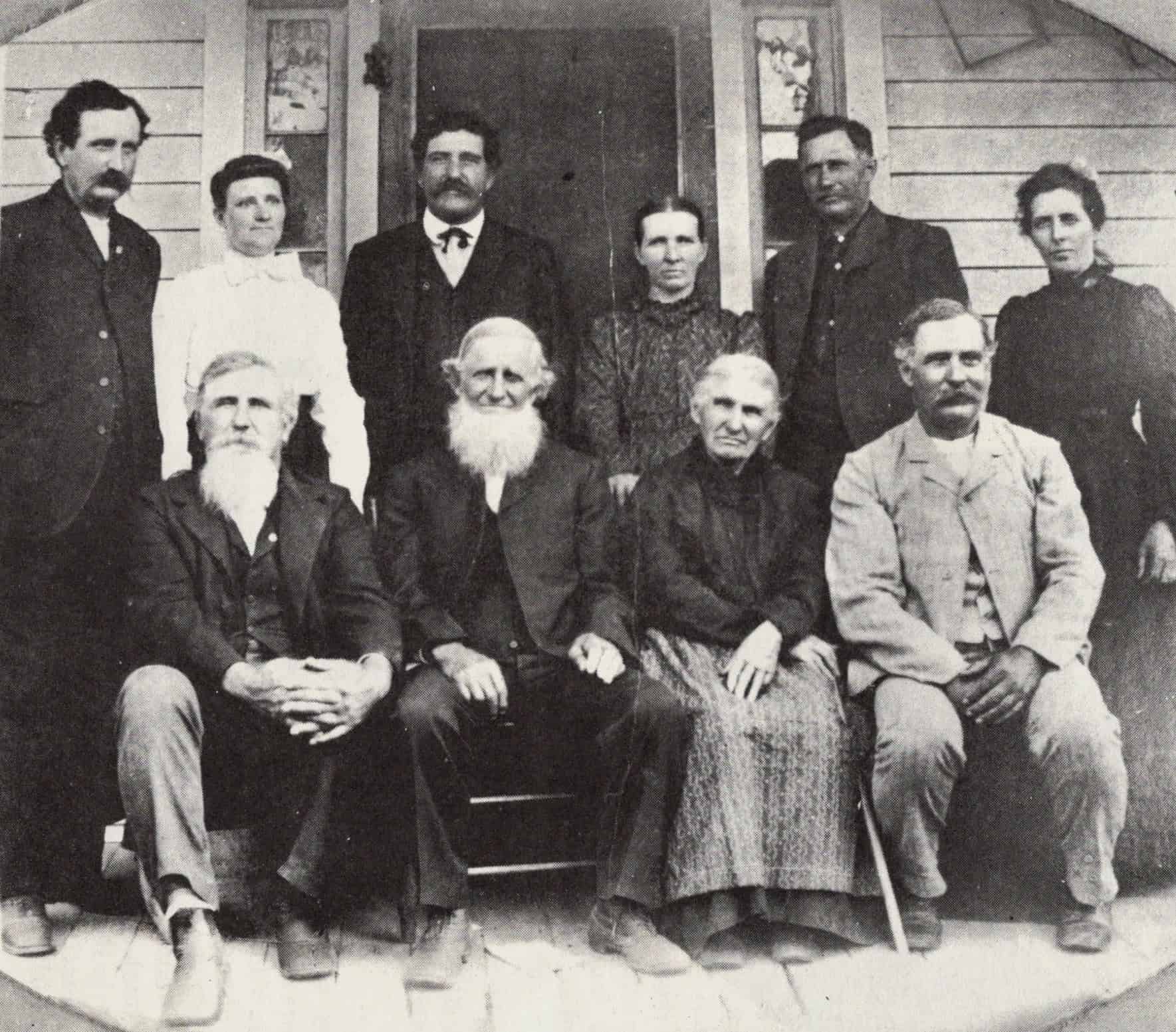
Settlers started migrating to this area in the 1840s. With rich soil, and plenty of access to water, this prairie drew those looking for a good place to settle. They farmed and, largely isolated from neighbors, had to be self-sufficient. So they gardened, planted fruit, raised farm animals, hunted, fished, and cleared and plowed land for crops. Slowly, settlers from Kentucky, Tennessee, Virginia, New York, and other states brought diverse traditions, beliefs, and customs that gradually blended into a shared way of life.
People traded goods instead of relying on cash, and daily life, modest yet vibrant, revolved around farmwork and family traditions like corn planting, soap making, and communal gatherings. Churches, homes, or simple log structures held school for the nearby children in very small communities of settlers. By 1847 the small Pond Creek community, west of current Republic, taught school.
Establishing communities steeped in collaboration and hospitality, this area, though small, had the heart of a place destined to grow.
The Civil War and the Battle of Wilson’s Creek
The famous Battle of Wilson’s Creek, fought just three miles east of town on August 10, 1861, brought the realities of conflict to some of the settlers’ doorsteps. When the war began, a few farmers joined the south, some farmers the north. None fought in the Battle of Wilsons Creek, but a few settlers of this area participated in various other battles. Some family stories, still told today, tell of the murder of an ancestor for speaking their mind or choosing sides. While the Battle of Wilsons Creek did not reach this exact area, it placed a fear in the settlers, and the bitter struggle for control of Missouri marked the state as one of the most fiercely contested during the war.
The Turning Point: Railroads and Opportunity
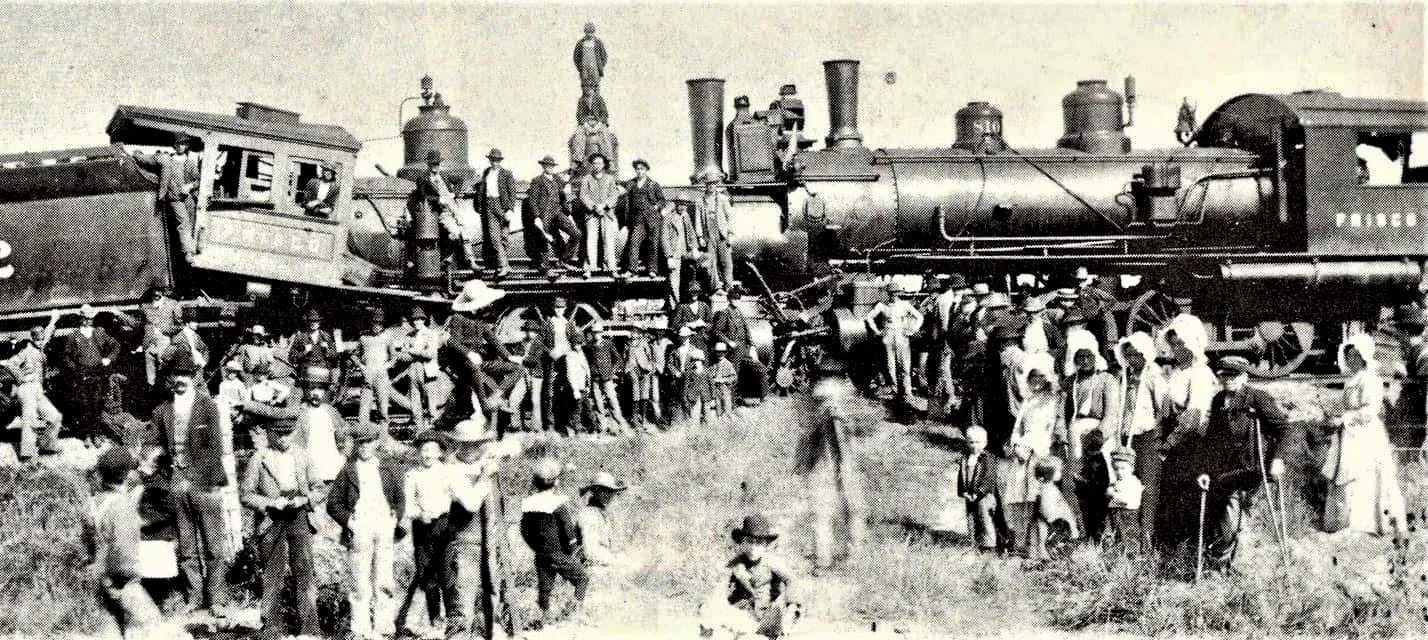
A pivotal moment in Republic’s history came with the construction of the railroad tracks to the area in 1870 by the South Pacific Railroad. That same year they deeded the railroad to the Atlantic and Pacific Railroad. Before the railroad arrived, the nearby town of Little York served as the region’s primary market. With the tracks extending to this area, some early settlers realized the potential a railway could bring. When the railroad initially refused to build a switch station, local visionary Mr. W.H. Noe, along with H.A. Noe, Josiah Brooks, H.A. White, E.T. Anderson, and others, raised $1,000 in subscriptions – an amount of money staggering for the time – to grade and build for the switch on land donated by William Cliborne. The determined effort of the men paid off, and the railroad began moving local goods to large markets, eventually transforming the town into a vital shipping and travel hub. Little York was soon outgrown by the Republic station as it became the economic and social centerpiece of the area.
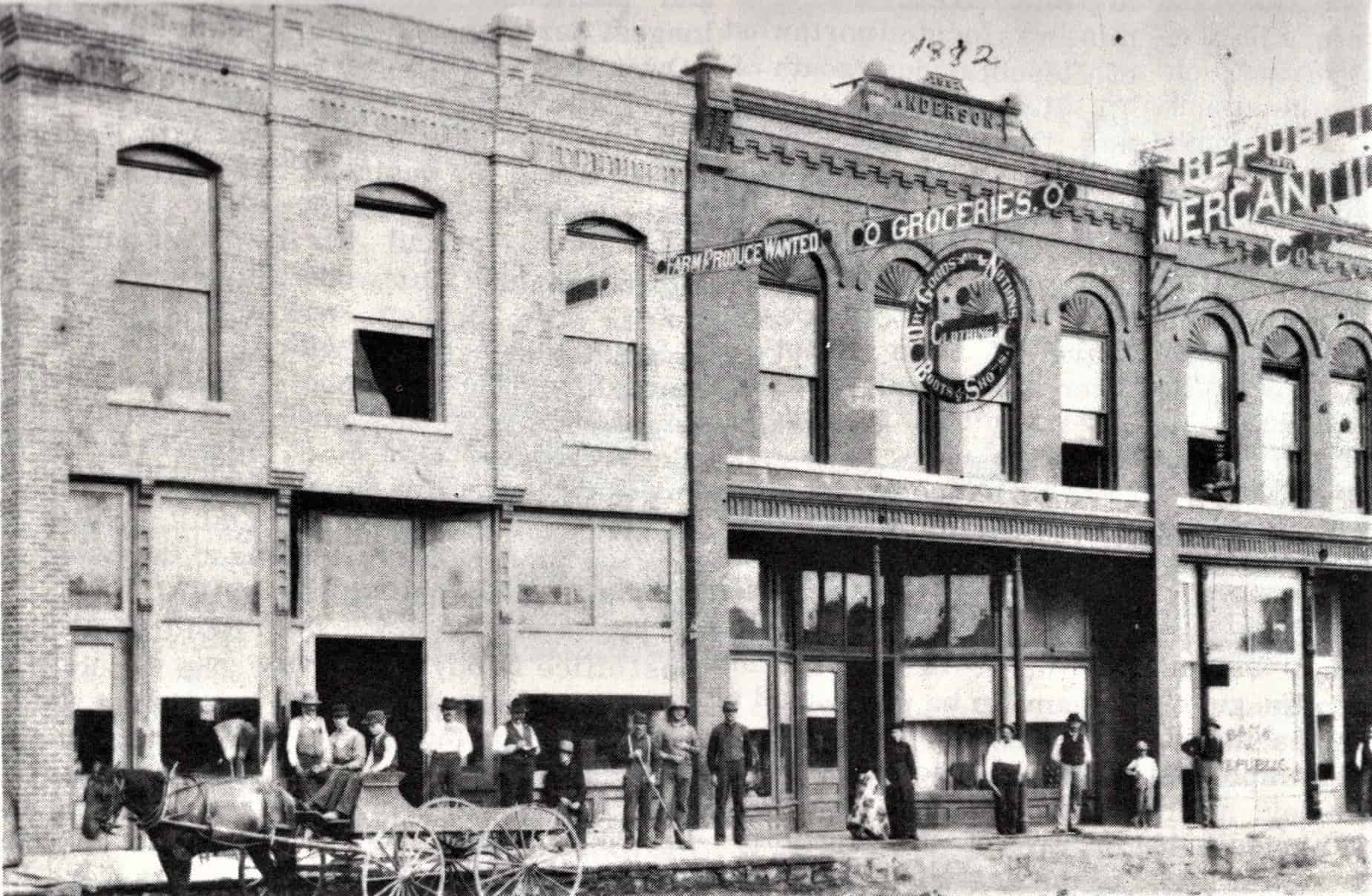
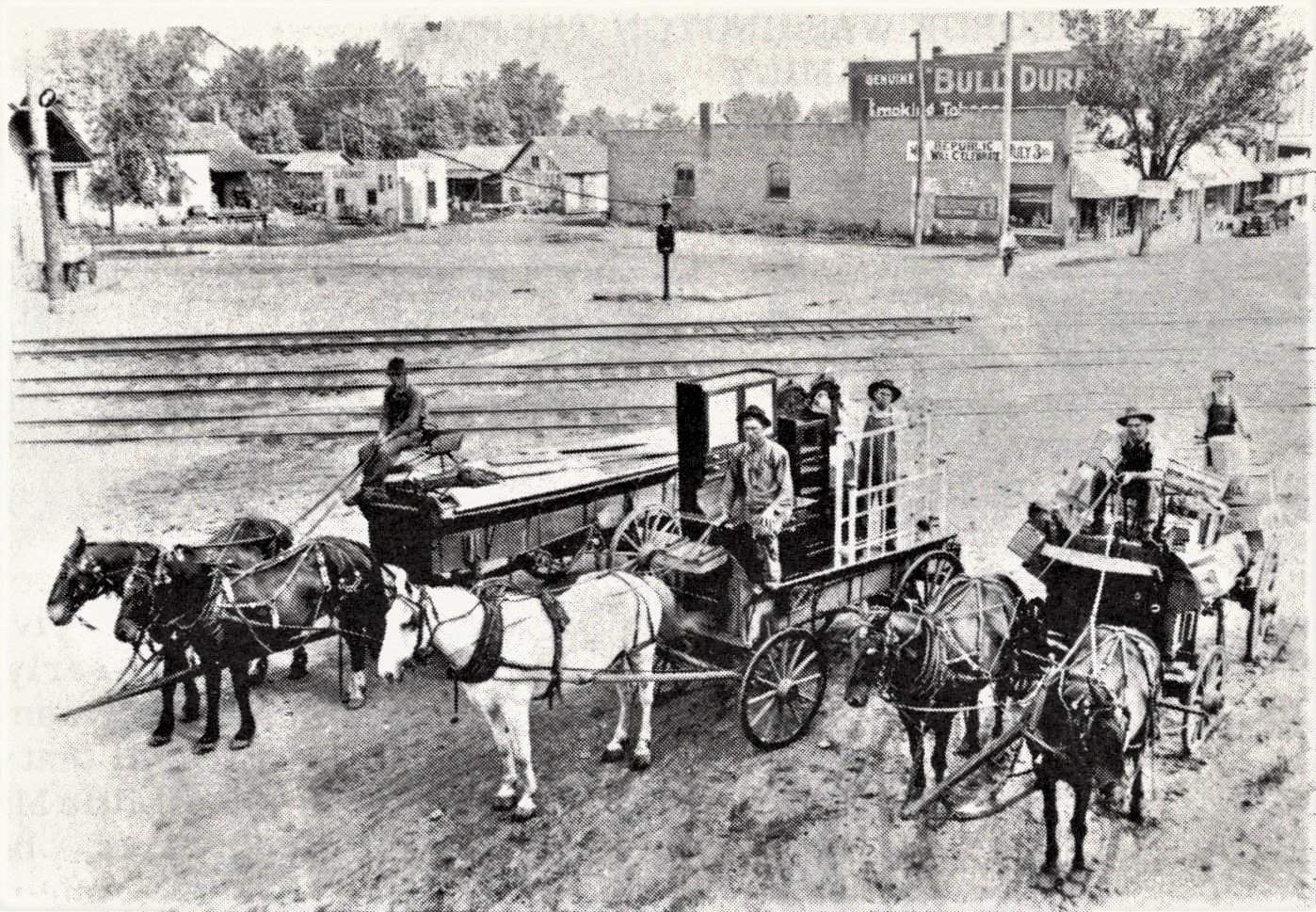
The railroad switch in 1870 fueled a wave of new businesses. Commerce flourished as Republic evolved into a market town – first a mercantile store, then a couple of houses, then a grocery store, and the boom began. In 1871 Republic had an appointed postmaster, marking its formal recognition as a town. The San Francisco Railroad Company (Frisco) bought the railroad in 1876. By 1883 Republic had a population of 150 and offered two general merchandise stores, two drug stores, a hardware and farm equipment store, and one shoe shop. Three blacksmith shops, a livery stable, two grain houses, two churches and a good grist mill rounded out the town businesses. In 1892 a large new school built on West Elm could handle high school students from surrounding rural schools as well as town children. That structure replaced the old log schoolhouse that stood somewhere in the area of West Elm and Walnut.
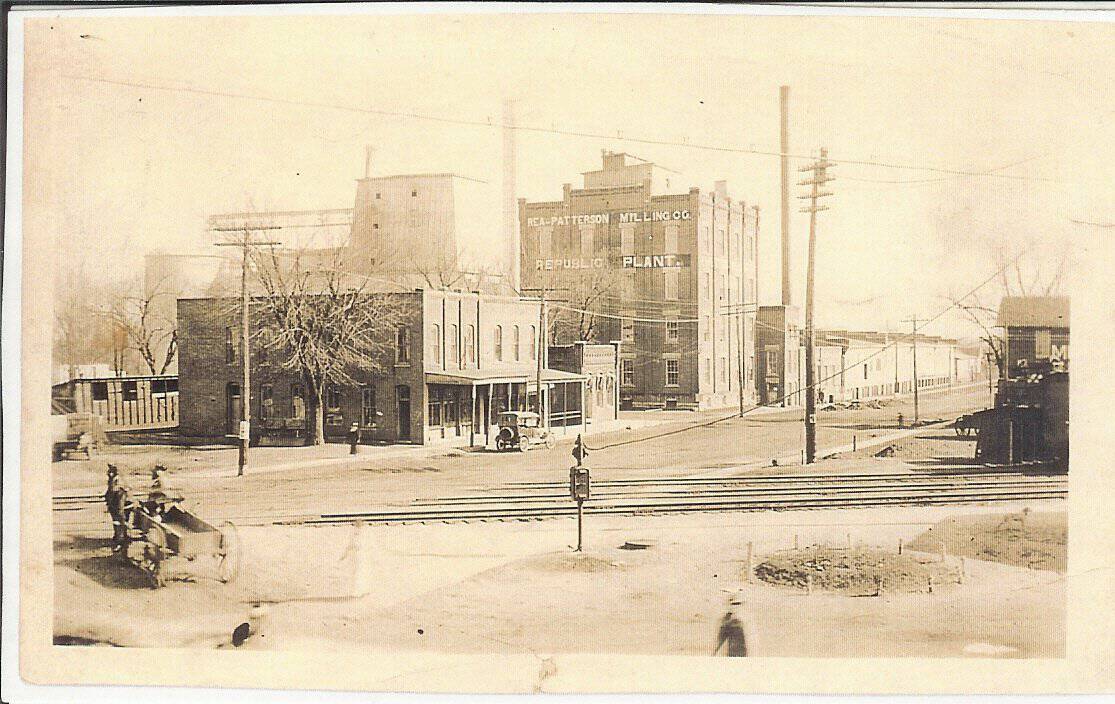
At the dawn of the 20th century, Republic boasted more than 856 citizens and a variety of businesses that reflected its growing identity. Orchards expanded, and fruit was shipped to other markets, along with cattle, wheat, and canned goods from local canneries. The town of Republic became known for its industrious spirit and social warmth, paving the way for continued expansion in population and infrastructure. In 1902, the building of R.C. Stone Milling, soon to be the largest exclusive soft wheat mill in the United States, sealed Republic’s fate as a burgeoning community. The town owed much of its progress to the perseverance of its early citizens.
The Legacy of Republic’s Transformation
Walking through Republic’s streets today, you can sense the history that shaped its present. The railroad, the businesses, and the perseverance of its people—each played a role in transforming Republic from a humble crossroads station into a thriving and dynamic community.
The City of Republic’s story is a story of progress and pride, where history isn’t just remembered; it’s celebrated. Our town’s ability to build on the resilience of its past, while looking toward the future, makes it a special place to live, work, and connect. This evolution reminds us that even the smallest beginnings hold the potential for remarkable growth.